Psychotherapy
Let's start looking together.
Family, couples and relationship therapy. The aim is not to hand out ready-made answers, but to understand the person and the relationship within their own dynamics.
- Individuals, couples and families
- Online or in person — Istanbul, Bahçeşehir
The introductory session is 30 minutes and free. In it we talk about what brings you to therapy and assess together whether our way of working suits your needs.
Approach
My approach to psychotherapy
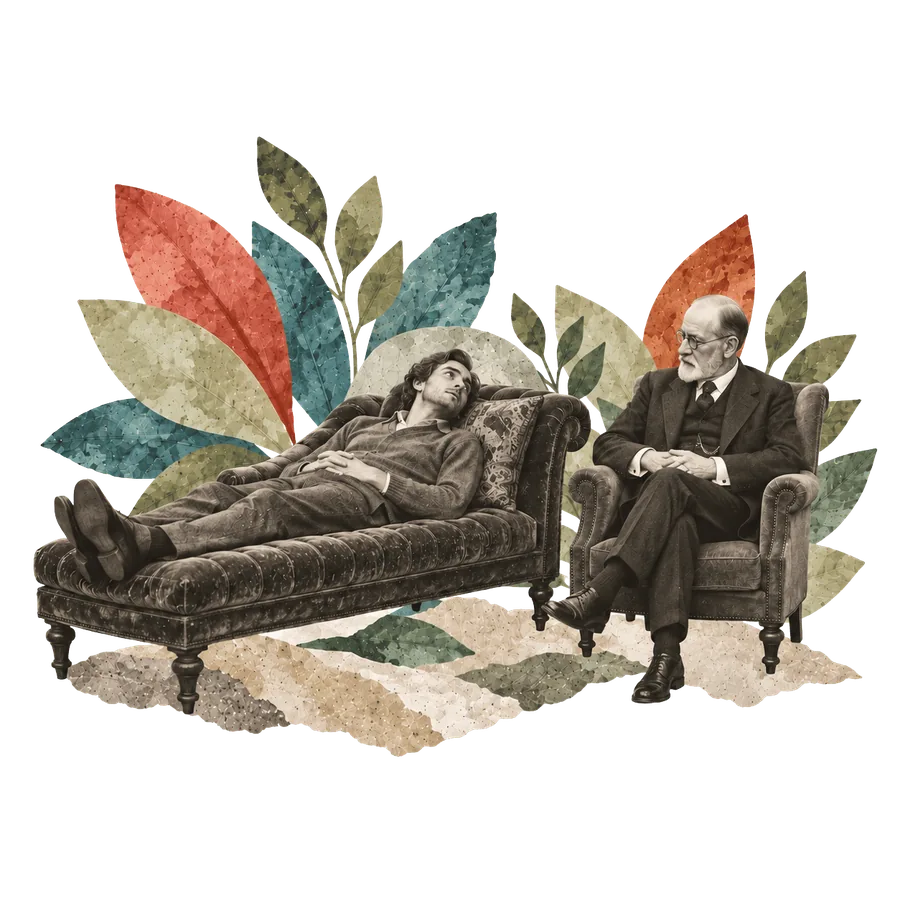
I see psychotherapy not merely as an intervention aimed at reducing symptoms, but as a scientific field of work aimed at understanding the bonds a person has developed with themselves, with their past and with the relationships they build.
The difficulties each person faces today take shape within their biology, early experiences, family relationships, attachment patterns, cultural environment and the world of meaning they have built over a lifetime. So in therapy I look not only at the visible problem, but also at how it came about, what conditions keep it going today, and what function it serves in the person's life.
No single explanatory model is enough to understand every person or every relationship. How we work is shaped by the reason you seek help, your needs and what we learn along the way. The aim is not to tell anyone how they should live, but to help them notice their recurring patterns, see their options and develop more workable ways of living.
The interdisciplinary methodology behind this approach, and my training, are described in detail on the About page.
Areas of work
Who do I work with?
Anxiety, feelings of worthlessness, indecision, relationship difficulties or recurring behaviours are not separate from the rest of a person's life. In individual therapy we look for answers together not only to "What am I going through?" but also to "How did this experience come about?", "How does it continue today?" and "What can I change?"
The past is explored to the extent that it helps us understand today's difficulties. But the work doesn't stop at explaining the past; it also focuses on how the awareness that emerges can shape a person's present choices, behaviours and relationships.
I see a relationship not merely as the way two people communicate, but as a dynamic structure where two life stories, two family systems, two biological make-ups, two cultural histories and two worlds of meaning intersect.
Many of the problems that surface in a relationship don't arise only from the words spoken in the moment. Attachment styles, past relationships, patterns carried from the family, fears, defences and unmet emotional needs can all be reflected in the relationship. A fear of abandonment, for example, can make criticism feel like a threat; a sense of worthlessness can lead to withdrawal; an unmet need can turn into a constant expectation that the partner make up for it. Over time, difficulties that begin at an individual level can become a cycle in which two people keep triggering each other.
That's why I usually begin relationship and couples work with individual sessions. If both partners are taking part, the first assessments can be carried out separately. This makes it possible to understand each person's own experience, needs and recurring relationship patterns in a safe space.
Starting individually does not mean ignoring the relationship's shared dynamics or putting the responsibility on one partner. The aim is to see the individual layers that make up the relationship more clearly before moving on to the shared problem. Joint sessions follow later in the process when needed. In them, rather than deciding who is right, we work on helping the couple notice the cycle they are caught in and build a safer, more open and more workable relationship.
Process
How do we proceed?
- 1
Introductory session
30 minutes · free
We talk about what brought you here, what you want to change and what you have already tried. This session is also a mutual assessment of fit; we decide together afterwards whether to continue.
- 2
Assessment and regular sessions
The work continues at a rhythm that suits your needs. We focus not only on events, but on the feelings, expectations and recurring patterns beneath them. In relationship and couples therapy the process usually begins with individual sessions; joint sessions are planned when needed.
- 3
Review and closing
Throughout the process we review the goals and where we are together. Therapy is not an open-ended bond; as the goals come within reach, sessions become less frequent and the process is brought to a proper close.
Practical details
How the work is set up
- Who I work with
- Individuals, couples and families
- Format
- Online or in person — Istanbul, Bahçeşehir
- Introductory session
- 30 minutes, free
- Session length
- 45–75 minutes, depending on the content of the session
- Frequency
- Set together, according to your needs and what you are seeking from therapy
- Fees and available times
- Ask on WhatsApp →
Common questions
Frequently asked questions
Why do you start couples therapy with individual sessions?
Because the difficulties in a relationship rarely come only from the couple's current communication. Each person brings their own history, attachment style, fears and relationship habits into the relationship. Individual sessions help assess these layers, and how they feed into the shared relationship cycle, more clearly.
Are there no joint sessions?
There are, when needed. The process usually starts with individual sessions; couple sessions can be planned once working together on the relationship's shared dynamics would be useful.
If my partner doesn't want to take part, can I start on my own?
Yes. In individual therapy you can work on your own experience in the relationship, your needs, your boundaries and your recurring patterns. Your partner not taking part doesn't stop you from understanding and changing your own share.
Does therapy decide who is right?
No. Therapy is not a refereeing process. The aim is not to validate one side, but to understand both people's experience and the cycle that has formed between them.
How long does therapy take?
It depends on the reason you seek help, your goals, how often we meet and how the process develops. Goals are reviewed regularly; when the need has passed, therapy is tapered off and brought to a close.
Is online therapy possible?
Yes. Individual, relationship and family sessions can be held online or in person, as needed.
Can therapy replace emergency support?
No. If you are having thoughts of harming yourself or someone else, or you are experiencing violence or anything that threatens your safety, don't wait for an appointment: call 112 (in Turkey) or go to the nearest emergency department.
What therapy is not
Therapy is not about getting advice, being proven right or finding a referee. Rather than handing out ready-made answers, it opens room for you to understand your difficulty in its own context and to develop new options. Much of the change happens not in the session room, but in everyday life between sessions.
We begin with a free introductory session.
To book, or to ask about fees and available times, message me on WhatsApp.
Message on WhatsAppMessages are answered within a few working days. In an emergency, call 112.